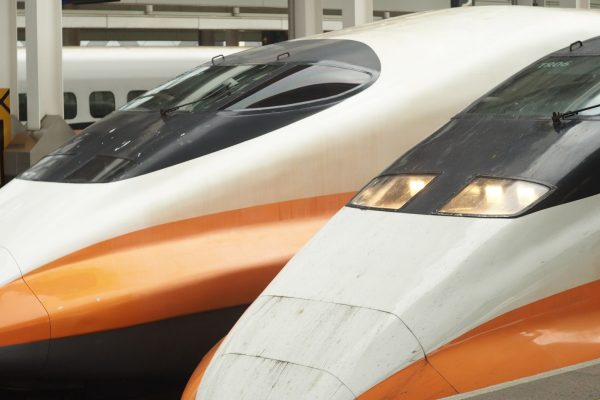
India Bullet Train project is making significant progress, as the first test coach is now ready for trials. This ambitious initiative aims to transform the country’s rail infrastructure and enhance connectivity.
Overview of the India Bullet Train project
The India Bullet Train project aims to revolutionize the country’s transportation infrastructure by introducing high-speed rail services. This ambitious initiative is set to connect Mumbai and Ahmedabad, significantly reducing travel time between these two major cities.
Currently, the project has reached a crucial phase, with the first test coach officially ready, as announced by Union Minister Ashwini Vaishnaw. The development showcases the progress made toward the completion of India’s first Bullet Train project, which is anticipated to enhance regional connectivity and boost economic growth.
The construction involves multiple phases and aims to incorporate advanced technology to ensure safety and efficiency. Some key features of the project include:
- High-Speed Travel: Trains expected to operate at speeds of up to 320 km/h.
- Modern Infrastructure: State-of-the-art stations designed for passenger comfort.
- Environmental Benefits: Reduced carbon footprint compared to traditional transport methods.
This project is viewed as a significant investment in India’s infrastructure, with the potential to transform the travel landscape and provide a blueprint for future rail projects across the nation.
Key features of the test coach
The India Bullet Train project has made significant strides, particularly with the unveiling of its first test coach. This development is a testament to the commitment towards modernizing the country’s transport infrastructure. The test coach showcases several key features that highlight the advanced technology being employed.
- High-speed capability: The test coach is designed to operate at speeds exceeding 300 km/h, ensuring swift travel between major cities.
- Advanced safety systems: Equipped with cutting-edge safety measures, the coach incorporates automatic train protection and state-of-the-art signaling technology.
- Comfortable interiors: The interior design focuses on passenger comfort, featuring spacious seating arrangements, modern amenities, and noise reduction technology.
- Energy efficiency: Utilizing energy-efficient materials and systems, the coach aims to minimize its carbon footprint, aligning with sustainable development goals.
- Robust construction: Built to withstand extreme weather conditions, the coach’s structure ensures durability and longevity, making it suitable for the diverse Indian climate.
As the India Bullet Train project progresses, these features will play a crucial role in enhancing the overall travel experience and efficiency of the rail network.
Impact on transportation in India
The India Bullet Train project is set to revolutionize transportation in the country, significantly reducing travel time between major cities. This transformative initiative aims to connect Mumbai and Ahmedabad with speeds exceeding 300 km/h, making it one of the fastest rail systems in the world.
As the project progresses, several key impacts on transportation can be anticipated:
- Reduced Travel Times: The Bullet Train is expected to cut down the journey time between the two cities from over seven hours to just about two hours, enhancing connectivity.
- Boost to Economy: Faster transportation will facilitate quicker movement of goods and people, thereby stimulating economic growth and increasing productivity in the region.
- Environmental Benefits: By providing a high-speed alternative to air travel, the Bullet Train project may help reduce carbon emissions associated with traditional transportation modes.
- Job Creation: The construction and operation of the Bullet Train will generate numerous jobs, contributing to employment opportunities in various sectors.
- Urban Development: Improved transportation infrastructure often leads to urbanization, prompting development in surrounding areas and enhancing real estate values.
Overall, the India Bullet Train project could mark a significant milestone in the evolution of transportation in the country.
Future prospects for high-speed rail
The future prospects for high-speed rail in India appear promising, particularly with the ongoing India Bullet Train project. As the nation seeks to modernize its transportation infrastructure, high-speed rail could play a crucial role in enhancing connectivity between major cities.
There are several potential benefits that could arise from the successful implementation of this project:
- Economic Growth: The high-speed rail network is expected to stimulate economic development by creating jobs and attracting investments.
- Environmental Benefits: High-speed trains are generally more energy-efficient and produce lower emissions compared to traditional modes of transport, contributing to sustainable development.
- Time Savings: With reduced travel times between cities, passengers can enjoy greater convenience, leading to increased productivity and a better quality of life.
- Technological Advancement: The project could encourage technological innovation in railway systems, benefiting local industries and research initiatives.
However, challenges such as funding, land acquisition, and public acceptance need to be addressed to realize these prospects fully. As the India Bullet Train project progresses, its impact on the future of transportation will be closely monitored.
Photo by mingche lee on Pexels