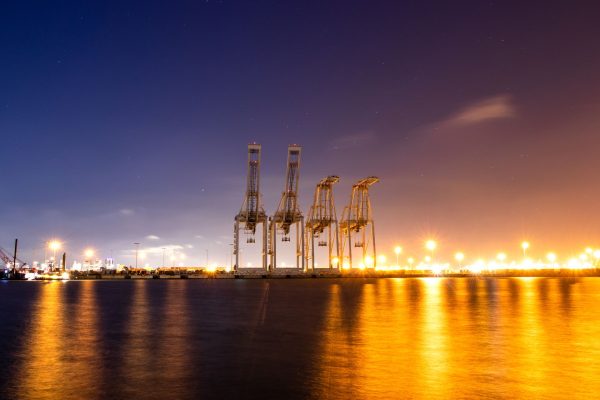
The Vadhavan Port project has raised significant concerns regarding ecological risks and potential displacement of local communities in Maharashtra. This ambitious infrastructure initiative is under scrutiny due to its environmental impact.
Overview of the Vadhavan Port project
The Vadhavan Port project is a significant infrastructure initiative aimed at enhancing India’s maritime capabilities. Located on the western coast of Maharashtra, this ambitious project is expected to facilitate larger cargo handling and boost trade efficiency. However, it has also raised serious concerns regarding its ecological impact.
Environmentalists argue that the construction and operation of the port pose severe risks to the local ecosystem. The project involves:
- Forest Diversion: Large areas of forest land are set to be cleared, which could lead to habitat loss for various species.
- Pollution: Increased shipping and industrial activities may result in significant water and air pollution.
- Displacement: Local communities may be adversely affected, facing displacement from their ancestral lands.
Moreover, the project’s location is close to sensitive coastal and marine ecosystems, raising alarms among conservationists. While the government emphasizes economic growth and job creation, the potential ecological risks associated with the Vadhavan Port project warrant careful consideration and sustainable planning.
Environmental impact assessments
The Vadhavan Port project has raised significant concerns regarding its potential environmental impact. Experts argue that the project’s scope may lead to irreversible ecological consequences, particularly in the surrounding coastal areas of Maharashtra.
Multiple studies have highlighted the need for comprehensive environmental impact assessments (EIAs) before proceeding with such large-scale developments. These assessments are crucial in understanding the potential disruption to local ecosystems and biodiversity.
- Habitat Destruction: The construction of the port is likely to lead to the destruction of vital habitats for various species, including endangered marine life.
- Water Pollution: Increased shipping activities could result in significant water pollution, affecting both marine and coastal communities.
- Displacement of Communities: Local fishing communities may face displacement, raising ethical concerns about their livelihoods and cultural heritage.
As the Vadhavan Port project moves forward, it is imperative that all stakeholders consider these ecological risks and prioritize sustainable practices to mitigate harm to the environment.
Community displacement concerns
The Vadhavan Port project has raised significant concerns regarding community displacement as local residents fear losing their homes and livelihoods. The proposed development site is situated in a region where many families have lived for generations, relying on the land for agriculture and fishing.
Local activists argue that the project threatens not only their homes but also their cultural heritage. Many believe that the government has not adequately addressed the potential impact on their communities.
Key issues surrounding community displacement include:
- Inadequate compensation: Residents express concerns that the compensation offered may not reflect the true value of their properties or the emotional attachment they have to their land.
- Lack of consultation: Many community members report feeling excluded from discussions about the Vadhavan Port project, leading to feelings of frustration and helplessness.
- Loss of livelihood: The displacement could jeopardize the primary sources of income for many families, pushing them into uncertain economic conditions.
As the Vadhavan Port project moves forward, community displacement remains a critical issue that requires urgent attention and resolution.
Government responses to opposition
The Vadhavan Port project has faced significant opposition from environmental activists and local communities, prompting responses from government officials. In light of the growing concerns, the state government has emphasized the project’s economic benefits, arguing that it will enhance trade and create job opportunities in Maharashtra.
Officials have stated that the Vadhavan Port project is essential for boosting the region’s infrastructure and overall development. However, critics argue that these claims overshadow the serious ecological risks involved. They highlight the potential destruction of local ecosystems and the long-term impact on biodiversity.
In response to community displacement concerns, the government has announced plans to implement a compensation package for affected families. This package aims to provide support and relocation options for those who may be forced to leave their homes. Nevertheless, many residents remain skeptical about the adequacy of these measures.
Moreover, the government has committed to conducting further environmental assessments to address the opposition’s concerns. Despite these assurances, opponents of the Vadhavan Port project continue to voice their fears about the irreversible damage it may inflict on the region’s ecology.
Economic benefits of the project
The Vadhavan Port project promises several economic benefits that proponents argue can significantly boost Maharashtra’s economy. Key advantages include:
- Job Creation: The construction and operation of the port are expected to create thousands of jobs, both directly and indirectly, fostering local employment opportunities.
- Increased Trade: By enhancing maritime connectivity, the port aims to facilitate smoother trade routes, making Maharashtra a hub for import and export activities.
- Infrastructure Development: The project will likely lead to improved infrastructure, including roads and railways, which can stimulate further economic growth in surrounding areas.
- Boost to Local Businesses: With the influx of trade and tourism, local businesses stand to benefit from increased customer traffic and higher demand for services.
However, while these economic benefits are highlighted, critics caution that they come at a significant ecological cost. The Vadhavan Port project raises concerns about the long-term sustainability of the region, as the potential for environmental degradation may overshadow the projected economic gains, leading to a contentious debate within the state.
Comparative analysis with similar projects
In evaluating the Vadhavan Port project, it is essential to compare it with similar large-scale port developments in India and globally. Such projects often raise ecological concerns, particularly regarding biodiversity and local communities.
For instance, the Jawaharlal Nehru Port in Mumbai faced significant backlash over its impact on marine life and surrounding habitats. The environmental assessments conducted revealed substantial ecological degradation, leading to stricter regulations in subsequent projects. Similarly, the Chennai Port expansion highlighted the challenges of balancing economic growth with environmental sustainability, showcasing the need for robust mitigation measures.
Furthermore, the Naviar Port project in Brazil serves as a cautionary tale, where insufficient environmental safeguards resulted in irreversible damage to critical ecosystems. These examples underline the pressing need for thorough ecological risk analyses, particularly for the Vadhavan Port project, where the potential for harm is considerable.
Critics argue that the project may overlook lessons learned from these past developments, risking detrimental impacts on Maharashtra’s coastal ecology and local communities reliant on these ecosystems for their livelihoods.
Future outlook for the Vadhavan Port project
The future outlook for the Vadhavan Port project remains uncertain as environmental concerns continue to mount. Experts warn that the ecological risks associated with the project could have lasting effects on the region’s biodiversity. The Maharashtra government faces increasing pressure to balance economic development with environmental preservation.
Key factors influencing the future of the Vadhavan Port project include:
- Regulatory Scrutiny: Ongoing reviews and assessments by environmental agencies may lead to stricter regulations that could delay project timelines.
- Public Sentiment: Growing opposition from local communities and environmental activists could hinder progress and lead to legal challenges.
- Investment Viability: Investors may reconsider funding if ecological risks are deemed too high, impacting the project’s financial feasibility.
- International Trends: A global shift towards sustainable development may influence local policies and practices regarding large infrastructure projects.
As stakeholders navigate these challenges, the future of the Vadhavan Port project will depend on finding a balance between economic aspirations and ecological integrity, ensuring that both can coexist in a rapidly changing world.
Photo by Griffin Wooldridge on Pexels