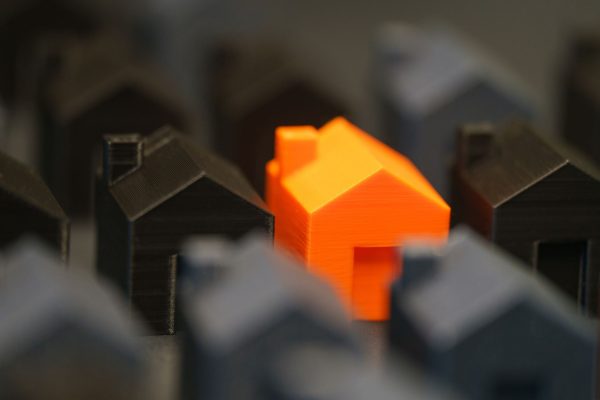
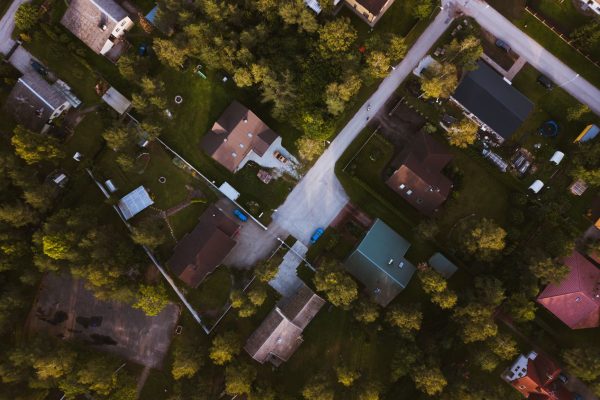
Falling house prices in Milan are causing shifts in the real estate market. While Milan sees a decline, surrounding areas experience an increase in property purchases and rising rents.
Current Trends in Milan’s Real Estate Market
In recent months, Milano has experienced a notable shift in its real estate market, characterized primarily by falling house prices. This trend has prompted many potential buyers to look beyond the city limits in search of more affordable options.
As the demand for properties in Milan decreases, the surrounding areas have become increasingly attractive. A number of factors contribute to this phenomenon:
- Economic Factors: The economic climate in Milan has led to a cautious approach among buyers, resulting in a decline in property investments.
- Remote Work Trends: The rise of remote work has allowed individuals to seek homes in suburban regions, where prices are generally lower.
- Increased Supply: A surge in new developments within the city has led to an oversupply of homes, further driving down prices.
Interestingly, while house prices in Milan are falling, the rental market is witnessing a contrasting trend. Rents are on the rise as more people opt for renting rather than buying, exacerbating the demand for rental properties in the city. This shift indicates a significant change in consumer behavior, as many are reevaluating their housing needs in light of the current economic conditions.
Overall, the dynamics of the Milan real estate market illustrate a complex interplay between falling house prices and rising rental demand, shaping the future of housing in the region.
Why Are House Prices Falling in Milan?
As the trend of falling house prices continues in Milan, several factors contribute to this phenomenon. Understanding these reasons can provide insight into the shifting dynamics of the real estate market in the city.
- Economic Factors: The economic climate in Milan has faced challenges, resulting in decreased purchasing power for potential buyers. This economic uncertainty has led many to hesitate in making significant investments in property.
- Supply and Demand Imbalance: An oversupply of residential properties in Milan has created a competitive market. As more properties become available, sellers are compelled to lower prices to attract buyers, contributing to the trend of falling house prices.
- Changing Buyer Preferences: Many buyers are now looking towards the surrounding areas of Milan for better value and larger living spaces. This shift in preference has decreased demand for homes within the city, further exacerbating the decline in house prices.
- Rising Rental Prices: Interestingly, while house prices are falling, rental prices in Milan are on the rise. This trend indicates a growing interest in renting over buying, which can impact long-term investment strategies for real estate.
In summary, the combination of economic factors, an oversupply of properties, changing buyer preferences, and rising rental prices plays a crucial role in the ongoing decline of house prices in Milan.
Impact on Surrounding Areas
The trend of falling house prices in Milan is not just affecting the city itself; it has significant implications for the surrounding areas. As potential buyers look beyond the city limits, several factors are contributing to this shift.
- Increased Demand: With more properties becoming available at lower prices in the outskirts, buyers are seeking value in areas that offer better affordability. This demand is driving up property interest in neighboring towns and suburbs.
- Rising Rental Prices: As purchasing a home in Milan becomes less attractive, many individuals and families are opting to rent. This shift has led to a noticeable increase in rental prices, as the supply struggles to keep up with the growing demand.
- Urban to Suburban Migration: Many residents are moving to the suburbs for a more spacious living environment. This trend has been accelerated by remote work opportunities, allowing people to prioritize quality of life over proximity to urban centers.
- Investment Opportunities: Investors are noticing the potential for growth in surrounding areas, where property prices are still competitive. This influx of investment can lead to revitalization and development, further changing the dynamics of these regions.
Overall, the falling house prices in Milan are prompting a ripple effect, reshaping the housing landscape in nearby areas and altering the real estate market as a whole.
Rising Rents: A New Challenge for Residents
The recent trends in Milan’s real estate market have left many residents grappling with a new challenge: rising rents. While falling house prices might seem advantageous for potential buyers, the increasing rental costs are creating significant pressure on those who prefer to rent rather than purchase property.
According to local reports, the surge in rents can be attributed to several factors:
- Increased Demand: As more people are priced out of the home-buying market due to falling house prices, they are turning to rentals, which in turn drives up demand.
- Limited Inventory: The availability of rental properties has not kept pace with the influx of new tenants, leading to higher prices.
- Investors Shifting Focus: With falling house prices, investors are increasingly buying properties in surrounding areas, which can exacerbate rental shortages in Milan.
- Inflationary Pressures: General economic conditions, including inflation, are causing landlords to raise rents to maintain profitability.
As a result, many residents are facing the difficult decision of whether to remain in Milan amid rising rents or relocate to more affordable areas. This shift not only impacts the housing market but also raises concerns about the long-term sustainability of the city’s demographic and economic landscape.
Photo by Jakub Zerdzicki on Pexels