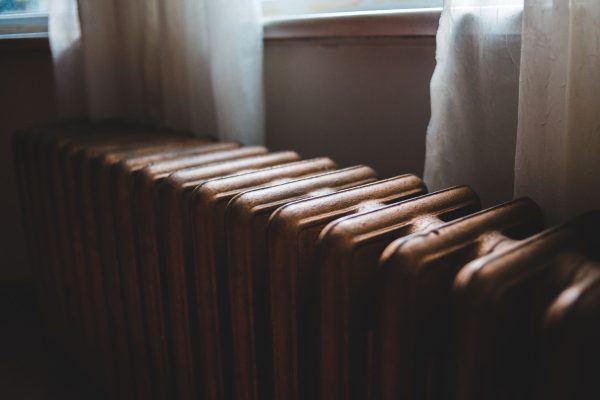
winter heating costs can be a burden for many households, especially during the colder months. A newly launched energy centre aims to provide solutions to help reduce these expenses effectively.
Understanding Winter Heating Costs
As winter approaches, understanding winter heating costs becomes essential for homeowners looking to manage their budgets effectively. With energy prices fluctuating and colder temperatures setting in, many households are bracing for increased expenses. The cost of heating can vary significantly based on several factors, including:
- Type of heating system: Different systems, such as gas, electric, or oil, come with varying operational costs.
- Home insulation: Well-insulated homes retain heat better, reducing the need for constant heating.
- Energy efficiency: Upgrading to energy-efficient appliances can lead to substantial savings over time.
- Local energy prices: Regional differences in energy costs can impact overall heating expenses.
Many homeowners may not realize that small changes can lead to significant savings. Simple measures like sealing drafts, using programmable thermostats, and maintaining heating systems can help lower winter heating costs. Additionally, local energy centres are being introduced to provide guidance and support to families struggling with high bills. By being proactive and informed, consumers can better navigate the challenges of winter heating expenses and keep their homes warm without breaking the bank.
How the Energy Centre Works
The Energy Centre is designed to help households manage their winter heating costs effectively. It serves as a central hub for information and resources, enabling residents to make informed decisions about their energy use. By leveraging technology and local expertise, the Energy Centre provides tailored advice to suit individual needs.
One of the key features of the Energy Centre is its personalized energy assessments. These assessments evaluate a home’s heating requirements and suggest energy-efficient practices. Residents can learn how to optimize their heating systems, reducing unnecessary expenditures.
Additionally, the Energy Centre offers workshops and seminars focused on energy conservation techniques. These educational sessions cover topics such as:
- Effective insulation methods
- Smart thermostat usage
- Understanding energy tariffs
- Renewable energy options
Moreover, the Energy Centre collaborates with local utility providers to ensure that residents have access to the latest incentives and rebates. By utilizing these resources, families can significantly lower their winter heating costs while contributing to a more sustainable energy future.
Tips to Reduce Heating Expenses
As winter approaches, many households are bracing for rising winter heating costs. Fortunately, there are several effective strategies to reduce these expenses without sacrificing comfort.
- Invest in Insulation: Proper insulation can significantly decrease heating bills by keeping warm air inside. Check your attic, walls, and floors for gaps and consider upgrading your insulation where needed.
- Seal Drafts: Inspect windows and doors for drafts and use weather stripping or caulk to seal any leaks. This simple step can prevent heat loss and lower your heating costs.
- Adjust Your Thermostat: Lowering your thermostat by just a few degrees can result in substantial savings. Consider setting it to 68°F during the day and lowering it at night.
- Use Space Heaters Wisely: For rooms that are used frequently, space heaters can be an efficient alternative to heating the entire home. Just ensure to turn them off when not in use.
By implementing these tips, homeowners can take control of their winter heating costs and enjoy a more affordable season.
Benefits of Energy Efficiency
As winter sets in, many households face rising winter heating costs. Embracing energy efficiency not only helps reduce these bills but also contributes to a more sustainable future. Here are some key benefits of improving your home’s energy efficiency:
- Lower Energy Bills: By upgrading insulation, sealing leaks, and using energy-efficient appliances, homeowners can significantly decrease their heating expenses during the colder months.
- Increased Comfort: A well-insulated home maintains a consistent temperature, ensuring that you stay warm and comfortable throughout winter.
- Environmental Impact: Reducing energy consumption decreases your carbon footprint, leading to a positive impact on the environment and contributing to climate change mitigation.
- Enhanced Property Value: Energy-efficient homes often have higher resale values, making them more attractive to potential buyers.
- Incentives and Rebates: Many programs offer financial incentives for making energy-efficient upgrades, which can help offset the initial costs.
Investing in energy efficiency measures not only alleviates winter heating costs but also fosters a healthier planet and a more secure financial future.
Government Assistance Programs
As winter temperatures drop, many households face rising winter heating costs, which can strain budgets. Fortunately, there are various government assistance programs designed to help alleviate this financial burden. These programs aim to provide support to eligible households, ensuring everyone can afford necessary heating during the colder months.
Some key assistance options include:
- Low-Income Home Energy Assistance Program (LIHEAP): This federal program helps low-income families pay their heating bills and can also assist with energy-related emergencies.
- Weatherization Assistance Program: This initiative provides funding for home improvements that enhance energy efficiency, which can lead to lower heating expenses over time.
- State and Local Programs: Many states and municipalities offer additional support, including grants and subsidies, to help residents manage their winter heating costs.
It’s essential for homeowners and renters alike to explore these options. By taking advantage of available government assistance programs, families can reduce their winter heating costs and ensure a warm, comfortable home throughout the season.
The Importance of Insulation
As winter sets in, the significance of proper insulation cannot be overstated. A well-insulated home plays a crucial role in reducing winter heating costs, helping to keep your living space warm while minimizing energy consumption.
Insulation works by creating a barrier between the inside of your home and the cold outside air, preventing heat from escaping. This means that your heating system doesn’t have to work as hard, leading to lower energy bills. Here are some key benefits of good insulation:
- Energy Efficiency: Proper insulation increases the overall energy efficiency of your home.
- Comfort: A well-insulated home maintains a consistent and comfortable temperature throughout the winter months.
- Long-term Savings: By investing in quality insulation, homeowners can save significantly on their heating expenses over time.
- Environmental Impact: Reducing energy consumption lowers your carbon footprint, contributing to a healthier planet.
In conclusion, focusing on insulation is a vital step in combating high winter heating costs and ensuring your home remains energy-efficient and comfortable throughout the season.
Community Resources for Homeowners
Homeowners facing high winter heating costs can take advantage of several community resources designed to provide support and assistance. These resources aim to help residents manage their energy expenses more effectively during the colder months.
Local energy assistance programs often offer financial aid to low- and moderate-income families struggling with heating bills. These programs may include:
- Utility Discounts: Many utility companies provide discounts or payment plans for eligible customers.
- Weatherization Assistance: This service helps homeowners improve their home’s energy efficiency, reducing overall heating costs.
- Community Workshops: Educational sessions that teach homeowners about energy-saving practices and technologies.
- Home Energy Audits: Assessments that identify areas for improvement in energy efficiency, often provided at little to no cost.
Additionally, local non-profit organizations may offer programs that assist with home repairs and upgrades to heating systems. By utilizing these community resources, homeowners can find practical solutions to navigate the challenges posed by rising winter heating costs while ensuring their homes remain warm and comfortable.
Future of Sustainable Heating Solutions
As winter heating costs continue to rise, the search for sustainable heating solutions has never been more critical. Innovations in energy-efficient technologies are paving the way for a greener future, providing homeowners with alternatives that not only reduce bills but also minimize environmental impact.
One promising development is the integration of renewable energy sources into home heating systems. Technologies such as solar panels and geothermal heating are gaining popularity, allowing homeowners to harness natural resources to generate heat. Additionally, smart thermostats and home automation systems are becoming more prevalent, enabling users to optimize their heating schedules and reduce energy consumption.
Moreover, advancements in insulation materials are contributing to more energy-efficient homes. High-performance insulation can significantly lower winter heating costs by preventing heat loss, ensuring that homes remain warm without excessive energy use.
As we look to the future, it’s essential for homeowners to stay informed about emerging technologies and support policies that promote sustainable heating solutions. By making informed choices and investing in these innovations, individuals can contribute to a more sustainable future while effectively managing their winter heating costs.
Photo by Erik Mclean on Pexels