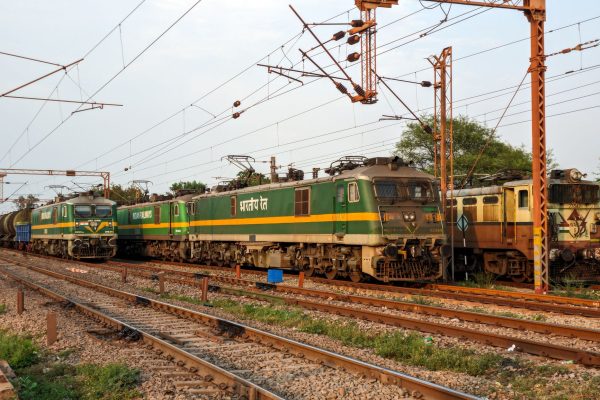
Indian Railways double-track has opened a new 15-km section in Andhra Pradesh, significantly improving rail connectivity and travel times for passengers.
Overview of the New Double-Track Section
The recent inauguration of a 15-km double-track section by Indian Railways in Andhra Pradesh marks a significant advancement in the region’s rail infrastructure. This development is expected to enhance connectivity, reduce travel time, and improve the overall efficiency of train operations.
The new double-track section aims to facilitate the increasing demand for rail transport while ensuring safety and reliability. With the implementation of this dual-line system, trains can operate simultaneously in both directions, thereby minimizing delays and congestion commonly associated with single-track routes.
Key benefits of the Indian Railways double-track initiative include:
- Increased Capacity: The double-track system allows for a higher frequency of trains, accommodating more passengers and goods.
- Reduced Travel Time: Faster train movements lead to shorter journey durations for commuters, enhancing travel experiences.
- Improved Safety: Dedicated tracks for each direction reduce the risk of accidents, ensuring safer travels for passengers.
- Economic Growth: Enhanced rail connectivity is expected to boost local economies by facilitating trade and tourism.
As the Indian Railways continues to develop its network, the successful implementation of this double-track section in Andhra Pradesh stands as a testament to the commitment towards modernization and improved service delivery in the region.
Impact on Commuters
The recent inauguration of the 15-km double-track section by Indian Railways in Andhra Pradesh is set to significantly enhance the commuting experience for millions. This advancement not only promises faster travel times but also improves the overall efficiency of train operations in the region.
Commuters will benefit in several ways, including:
- Reduced Travel Time: With the new double-track, trains can run more frequently and at higher speeds, leading to shorter journey durations.
- Increased Capacity: The dual tracks allow more trains to operate simultaneously, reducing congestion and ensuring that passengers have more options for their travel schedules.
- Improved Safety: The separation of tracks minimizes the risk of accidents, as trains can travel in opposite directions without interference.
- Enhanced Comfort: With more trains running on time, commuters can enjoy a smoother and more reliable travel experience.
Furthermore, the Indian Railways double-track initiative is expected to boost local economies by facilitating better connectivity. As more passengers utilize the rail services, local businesses along the routes stand to gain from increased foot traffic. This development marks a significant step forward in improving transport infrastructure in Andhra Pradesh, ultimately benefiting the communities it serves.
Future Infrastructure Plans
As Indian Railways continues to enhance its network, future infrastructure plans for Andhra Pradesh include the expansion of the double-track system. This initiative is expected to significantly boost connectivity and efficiency across the region. The focus on modernizing railway infrastructure aligns with the national vision to improve transportation and facilitate economic growth.
Key features of the upcoming projects include:
- Increased Capacity: The double-track expansion will allow for more trains to operate simultaneously, reducing congestion and improving overall service frequency.
- Enhanced Safety: Modern signaling systems will be integrated, ensuring safer travel for all passengers and freight services.
- Upgraded Stations: Several stations will undergo renovations to accommodate the increased traffic, featuring better amenities and waiting areas.
- Sustainable Practices: Efforts will be made to incorporate eco-friendly technologies, such as solar panels and rainwater harvesting systems, into the new infrastructure.
The commitment to developing the Indian Railways double-track system demonstrates the government’s dedication to fostering regional growth and enhancing the quality of life for residents. As these infrastructure plans unfold, the positive ripple effects on local economies and communities are anticipated to be substantial.
Benefits of Enhanced Rail Connectivity
The recent launch of the Indian Railways double-track section in Andhra Pradesh is expected to yield significant benefits for the region. Enhanced rail connectivity not only streamlines transportation but also facilitates economic growth and social development.
One of the primary advantages of the new double-track is its ability to increase train frequency. With improved scheduling, commuters can expect more convenient travel options, reducing wait times and enhancing overall travel experiences. Additionally, the higher capacity allows for more freight services, which is crucial for local businesses and industries.
Another benefit lies in the reduction of congestion on existing lines. The dual tracks enable smoother operations, minimizing delays and improving punctuality. This reliability is essential for both passenger and freight services, instilling confidence among users.
Furthermore, the enhanced rail connectivity is poised to stimulate local economies by attracting investments. Improved transportation infrastructure can lead to the establishment of new industries, boosting job creation and providing livelihoods for many residents.
Moreover, the environmental impact of the Indian Railways double-track initiative cannot be overlooked. Trains emit fewer greenhouse gases compared to road transport, contributing to a greener, more sustainable future for the region.
In summary, the benefits of enhanced rail connectivity through the new double-track in Andhra Pradesh are manifold, promising a brighter future for its communities.
The implementation of the Indian Railways double-track has significantly improved connectivity across Andhra Pradesh. Furthermore, the Indian Railways double-track has enhanced the efficiency of freight transportation, benefiting local industries.
Photo by Vishal Chokkala on Pexels