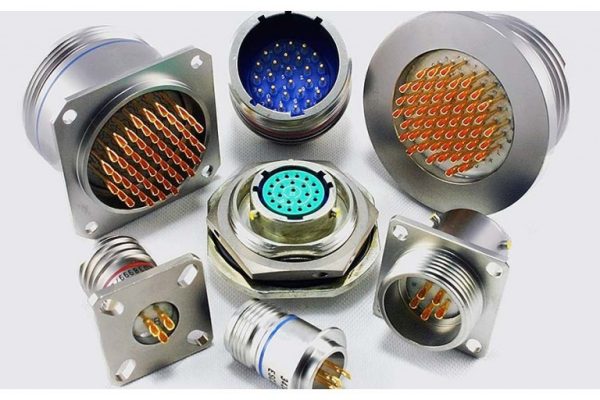
In industries where flammable gases, vapours, dust, or fibres pose a constant risk, explosion-proof equipment is critical for workplace safety and regulatory compliance. Singapore’s strict industrial safety standards, aligned with ATEX and IECEx certifications, mandate the use of specialised equipment to prevent ignition and mitigate explosion risks.
But not all explosion-proof equipment is the same. Different environments require varying levels of protection, and understanding these distinctions is crucial for selecting the right safety solutions. This guide explores the types of explosion-proof equipment in Singapore, their safety classifications, and where they are most commonly used.
Characteristics of Explosion-Proof Equipment
Explosion-proof equipment is designed to contain and isolate ignition sources, ensuring that electrical components do not ignite surrounding hazardous materials. This is achieved through:
– Reinforced enclosures – Sealed casings that prevent sparks from escaping.
– Intrinsically safe designs – Limiting electrical energy to prevent ignition.
– Ingress protection (IP) ratings – Shielding against moisture, dust, and chemicals.
– Material durability – Use of corrosion-resistant alloys and temperature-resistant components.
All explosion-proof devices must comply with internationally recognised safety classifications, such as ATEX (Europe), IECEx (International), and Singapore Standards (SS 254:2005).
Explosion-Proof Equipment Safety Grades
The following metrics are used to gauge the effectiveness of explosion-proof equipment in Singapore.
- ATEX and IECEx Zones
Hazardous areas are classified based on the likelihood of explosive atmospheres:
- Zone 0 – Explosive gas is present continuously (e.g., inside fuel tanks).
- Zone 1 – Explosive gas occurs occasionally during normal operations (e.g., chemical processing areas).
- Zone 2 – Explosive gas is present only briefly or under abnormal conditions (e.g., fuel storage zones).
- Zone 20, 21, 22 – Similar classifications apply to combustible dust environments in flour mills, sugar refineries, and pharmaceutical plants.
Any piece of ATEX-certified safety products will denote the specific type of zone in which they can effectively ensure safety.
- Explosion-Proof vs. Intrinsically Safe Equipment
While both explosion-proof and intrinsically safe equipment are designed for hazardous locations, they function differently:
- Explosion-Proof Equipment: Prevents external ignition by containing sparks, arcs, and heat inside a reinforced enclosure.
- Intrinsically Safe Equipment: Limits electrical energy so that it cannot generate enough heat or spark to cause ignition.
Industries such as oil & gas, chemical manufacturing, and pharmaceuticals require equipment from both categories, with the requirement depending on the level of risk in each operational area.
Types of Explosion-Proof Equipment
- Explosion-Proof Lighting
Use Case: Hazardous workspaces that require high-visibility illumination in extreme conditions.
Explosion-proof lighting solutions are widely used in:
- Oil refineries and offshore platforms – Where vapours and gases pose ignition risks.
- Pharmaceutical and chemical plants – To ensure safe handling of volatile substances.
- Food processing and grain storage – To prevent dust explosions.
These lights come in IECEx-rated fixtures, ensuring safety while offering longer lifespans and lower energy consumption compared to conventional lighting.
- Explosion-Proof Electrical Enclosures
Use Case: Protecting sensitive electrical components from hazardous environments.
Industrial settings require heavy-duty, sealed enclosures to house electrical wiring, circuit breakers, and control panels. These enclosures prevent external sparks from igniting combustible materials in:
- Chemical manufacturing plants
- Power generation facilities
- Marine and offshore platforms
High IP-rated enclosures also protect against moisture, dust, and corrosion, ensuring equipment longevity.
- Explosion-Proof Motors and Generators
Use Case: Operating machinery in volatile atmospheres without risking ignition.
Explosion-proof motors are crucial in:
- Oil drilling operations – Where equipment must function amid high-pressure gas environments.
- Mining and tunnelling – Preventing methane and coal dust explosions.
- Industrial mixers and pumps – Used in chemical and fuel processing plants.
Designed with spark-resistant materials, these motors and generators meet ATEX and IECEx compliance standards, ensuring operational safety.
- Intrinsically Safe Communication Devices
Use Case: Enabling safe communication in high-risk zones.
In hazardous locations where wireless signals and electrical surges can cause ignition, businesses rely on intrinsically safe devices in Singapore, including:
- Explosion-proof two-way radios for offshore and marine industries.
- Intrinsically safe mobile devices for real-time communication in chemical plants.
- Certified industrial tablets and control systems for monitoring operations in volatile environments.
These devices ensure continuous communication without risking spark generation or overheating.
- Explosion-Proof CCTV and Surveillance Systems
Use Case: Monitoring high-risk areas without compromising safety.
Industries requiring 24/7 surveillance in hazardous zones use explosion-proof CCTV cameras, designed with:
– Reinforced casings to prevent sparks from escaping.
– High-IP-rated lenses resistant to dust, water, and chemicals.
– Thermal imaging capabilities to detect overheating machinery in real time.
These surveillance solutions are essential in oil refineries, offshore rigs, power plants, and hazardous manufacturing areas.
- Explosion-Proof Junction Boxes and Conduits
Use Case: Providing a safe electrical infrastructure in volatile environments.
Explosion-proof junction boxes and conduit fittings protect electrical wiring in industries such as:
– LNG terminals – Where high-pressure gas transport occurs.
– Chemical plants – Ensuring safe electrical distribution amid volatile chemicals.
– Pharmaceutical labs – Preventing dust-related ignition hazards.
By sealing off electrical connections, these components prevent arc flash incidents and gas ignitions.
Lumenex Asia: Enhancing Workplace Safety with Explosion-Proof Equipment
From explosion-proof lighting solutions to intrinsically safe devices in Singapore, explosion-proof equipment is a mandatory investment for businesses operating in hazardous conditions. Whether their use is required as part of routine regulatory compliance measures or stems from a critical need to safeguard workers’ lives, securing the right device for the purpose at hand becomes crucial.
In such cases, you can benefit from the experience of an industrial safety equipment supplier that has established their expertise in the field, such as Lumenex Asia. At Lumenex Asia, we provide high-quality ATEX-certified safety products and hazardous area equipment in Singapore. From explosion-proof lighting solutions to junction boxes and several other types of explosion-proof safety equipment in Singapore, Lumenex is well-equipped to give your operations the assurance of certified safety.